Screaming Reels Seychelles
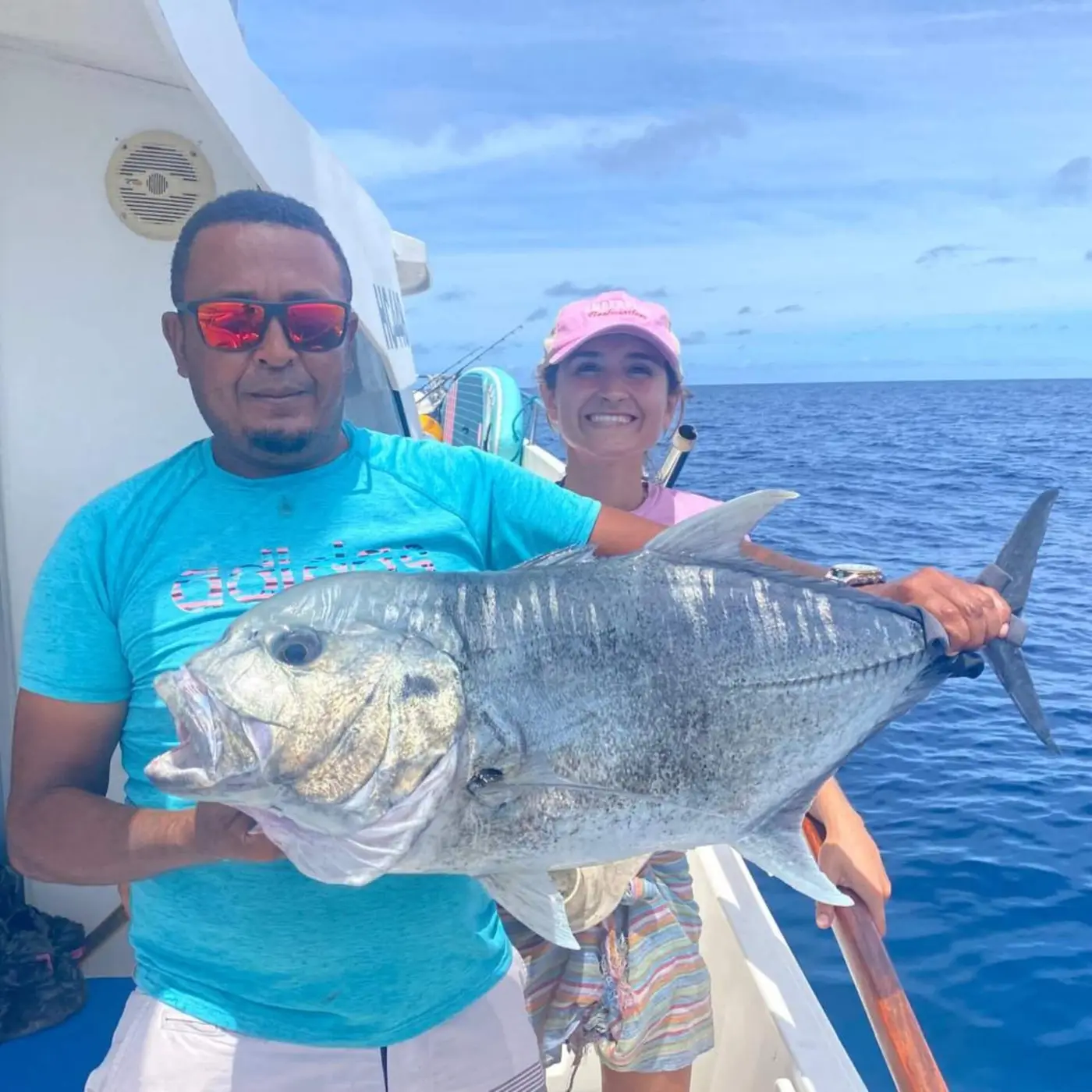
Two anglers holding a large giant trevally in the Seychelles

Home/Species

Target species

Larger, less pressured, more willing.

Huge distances between islands, minimal commercial fishing and healthy bait populations. The result is a fishery where predators behave naturally and feed aggressively.

Anglers holding a giant trevally caught on a popper in the Seychelles Outer Islands
Peak October – May

Giant Trevally

The apex inshore predator of the Indian Ocean, and the primary obsession for most anglers who come here. Outer Islands GTs have broader shoulders, heavier heads and an explosive commitment to the strike.

Common size10–25 kg
Outer Islands average25–40 kg
Large fish40–50+ kg
TechniquesPopping (120–200 g), stickbaits, jigging bommies, sight-fishing the flats
PeakOctober to May, strongest around spring tides

Bluefin trevally (3–8 kg) and bigeye trevally (5–15 kg) share the same water and attack surface lures relentlessly.
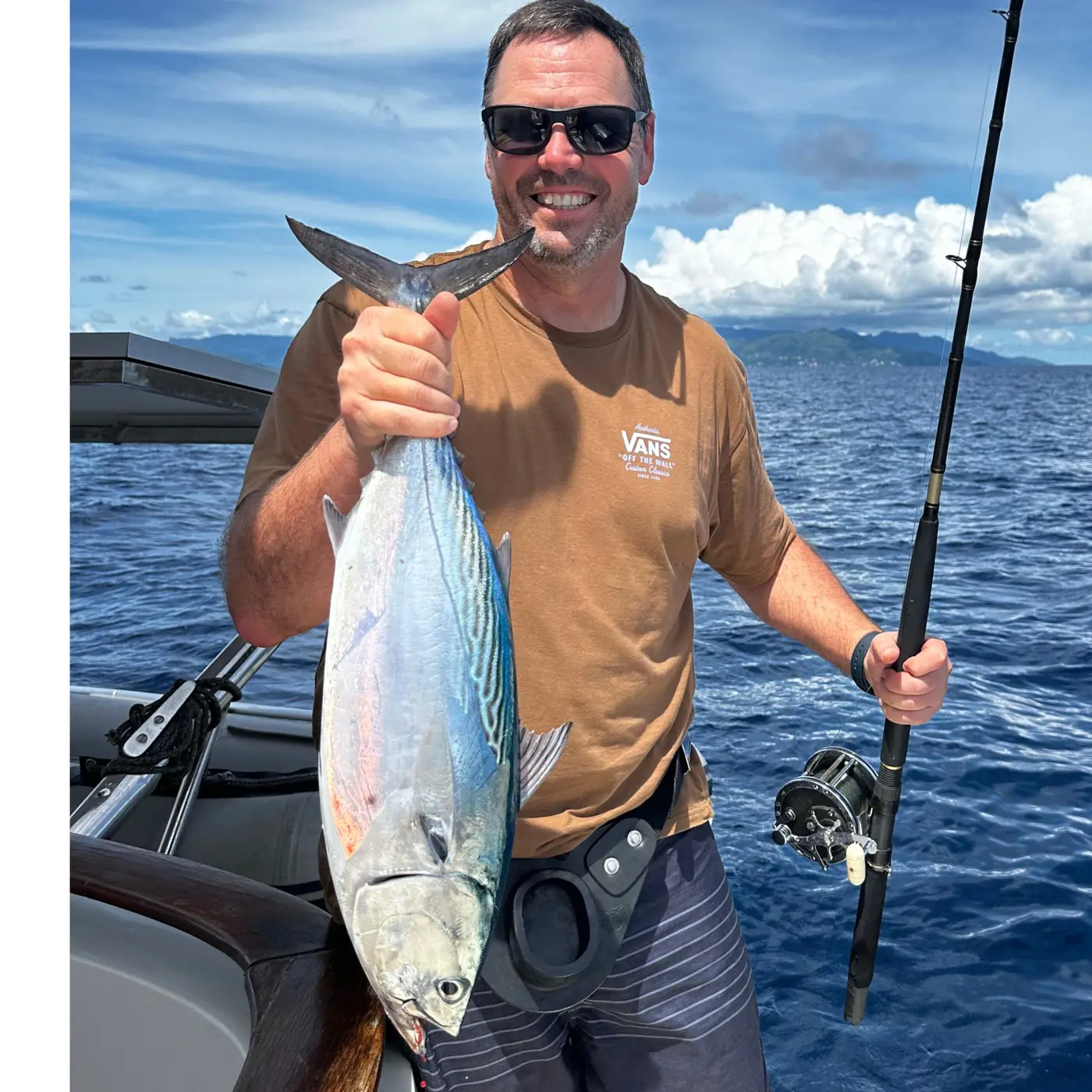
Angler holding a dogtooth tuna caught vertical jigging in the Seychelles
Strongest November – May

Dogtooth Tuna

The benchmark for serious anglers. Doggies live hard against structure and punish hesitation — they will take a jig straight back into the reef given an inch. Poivre's "Kennels" has produced true legends.

Common size15–40 kg
Regular Outer Islands fish40–70 kg
Rare giants70–100+ kg
TechniquesVertical jigging (200–400 g), deep popping, drifting live or cut bait, deep divers
PeakNovember to May; dawn and dusk feeding windows

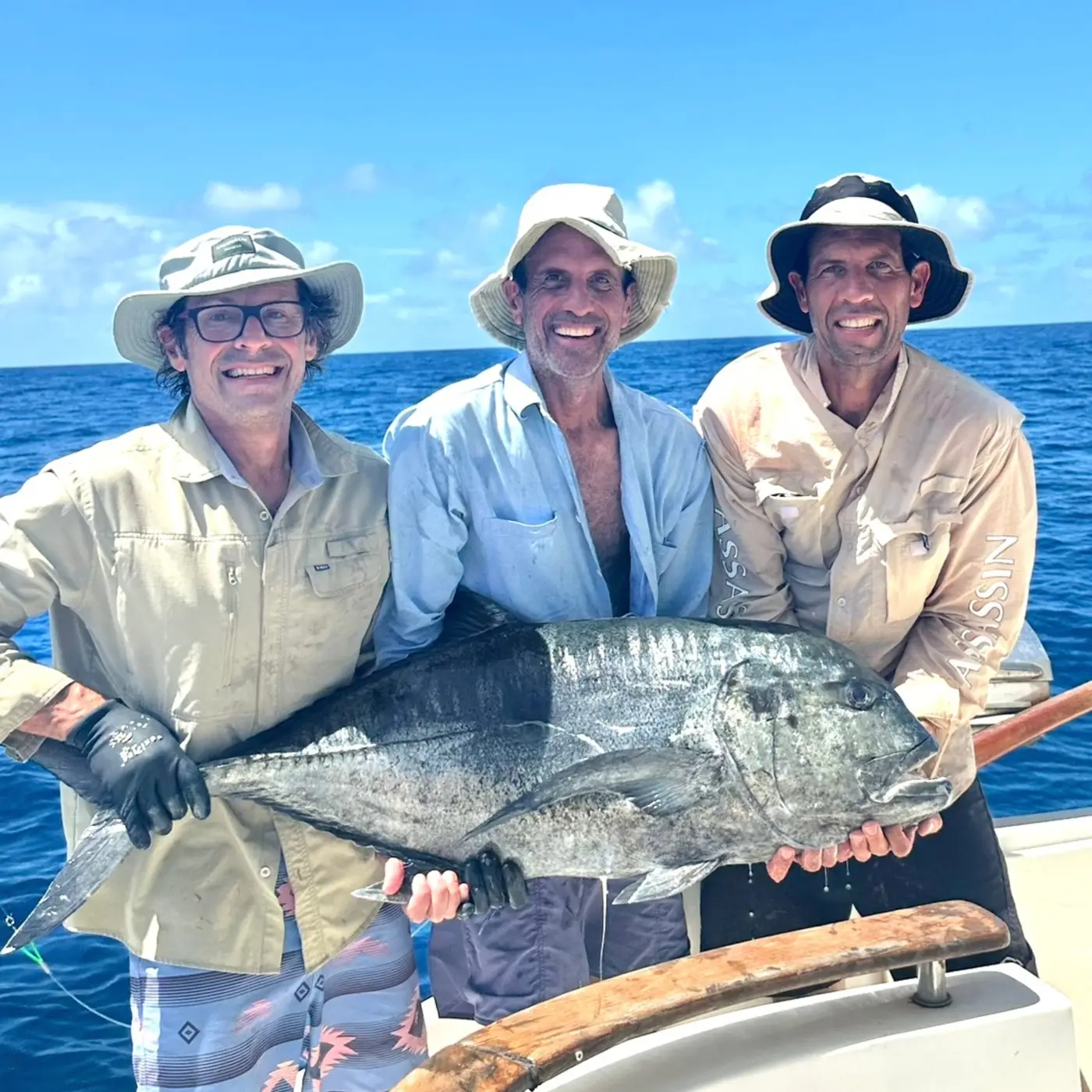
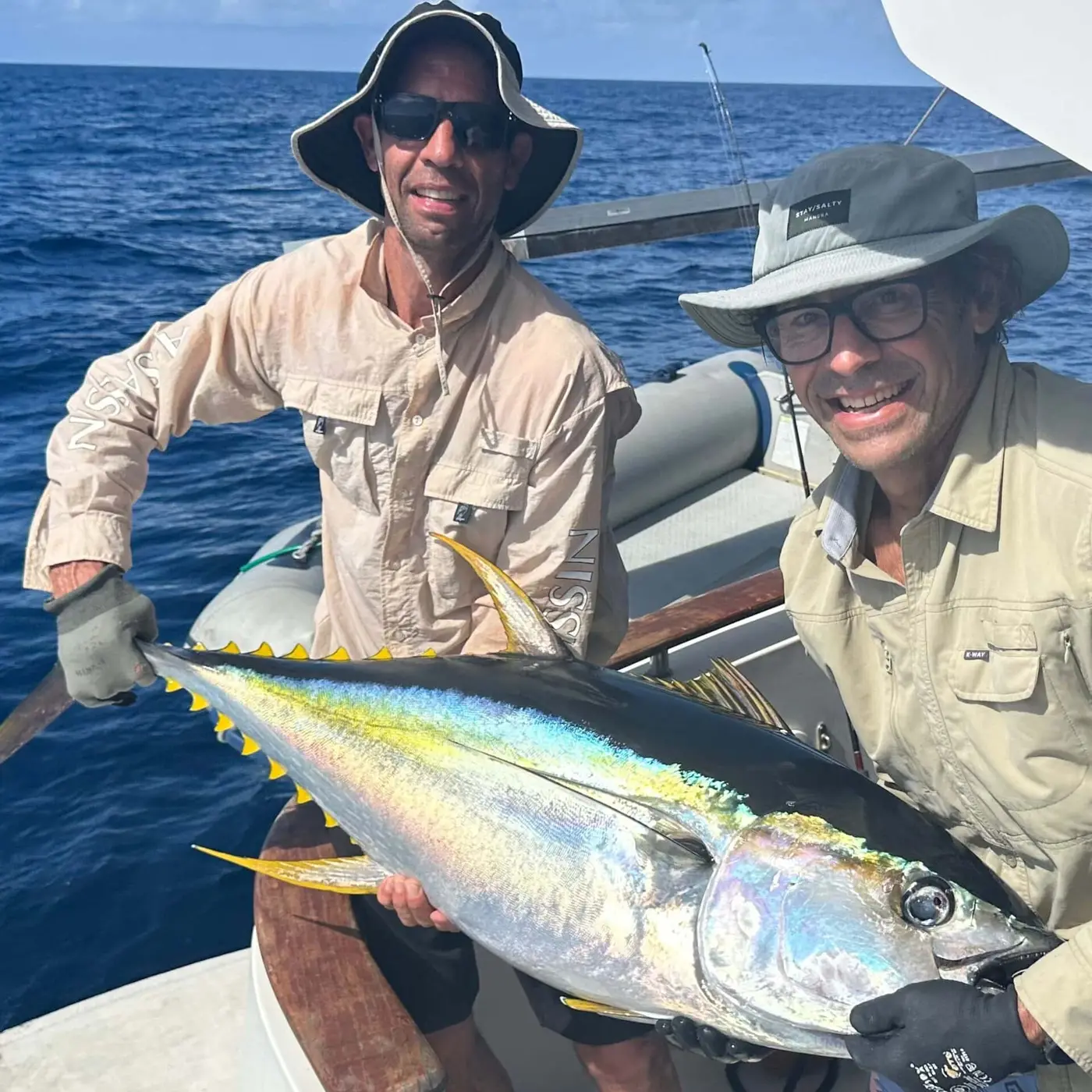
Two anglers holding a yellowfin tuna caught in the Seychelles Outer Islands
Strongest February – April

Yellowfin Tuna

They don't hit, they detonate. One moment the ocean is calm, the next it is boiling with bust-ups, birds diving and packs of tuna shredding bait on the surface.

Common size20–60 kg
Frequent Outer Islands fish60–80 kg
Big models80–100+ kg
TechniquesPoppers and sinking stickbaits, jigging 150–300 g, trolling, livebait on the drop-offs
PeakOctober to May, strongest February to April

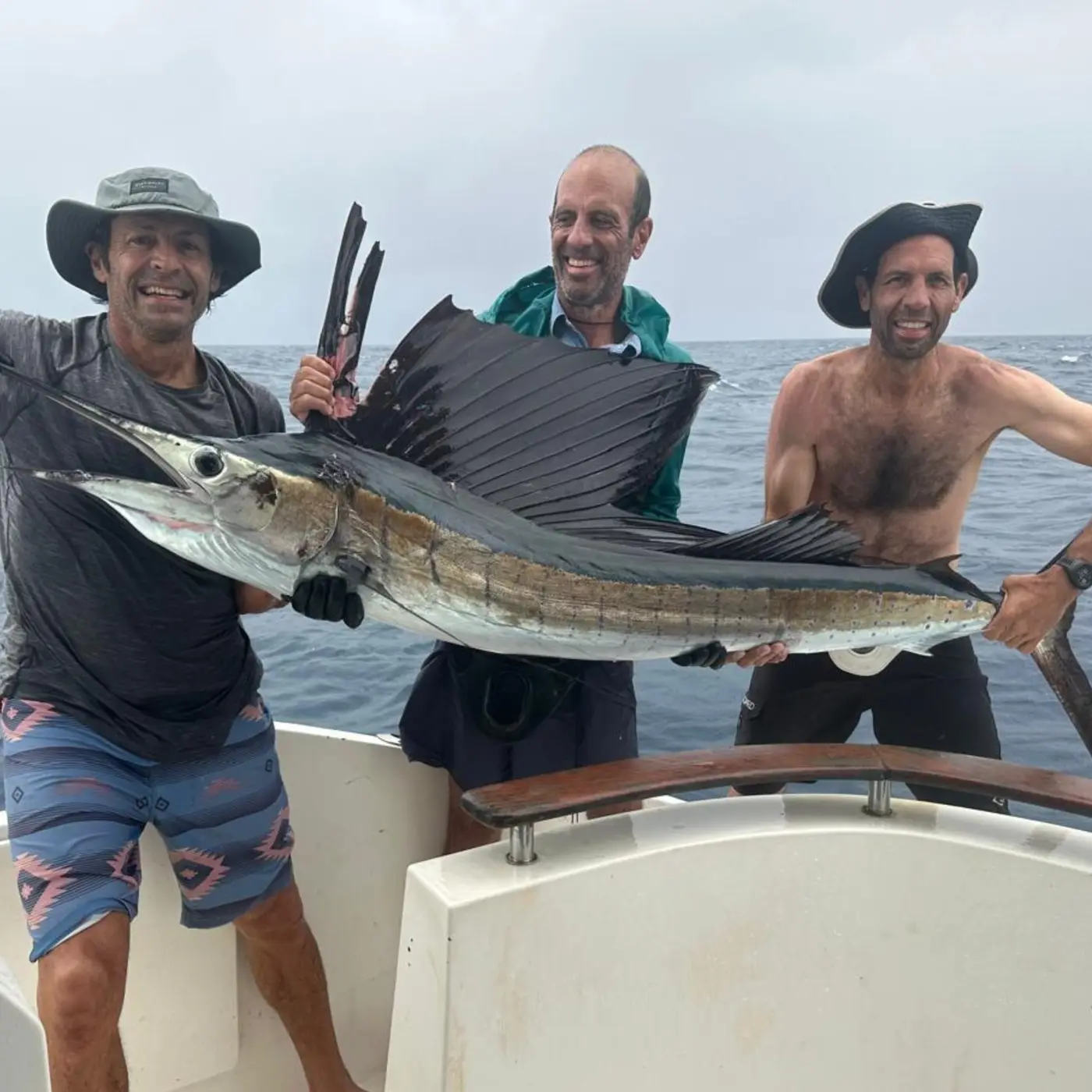
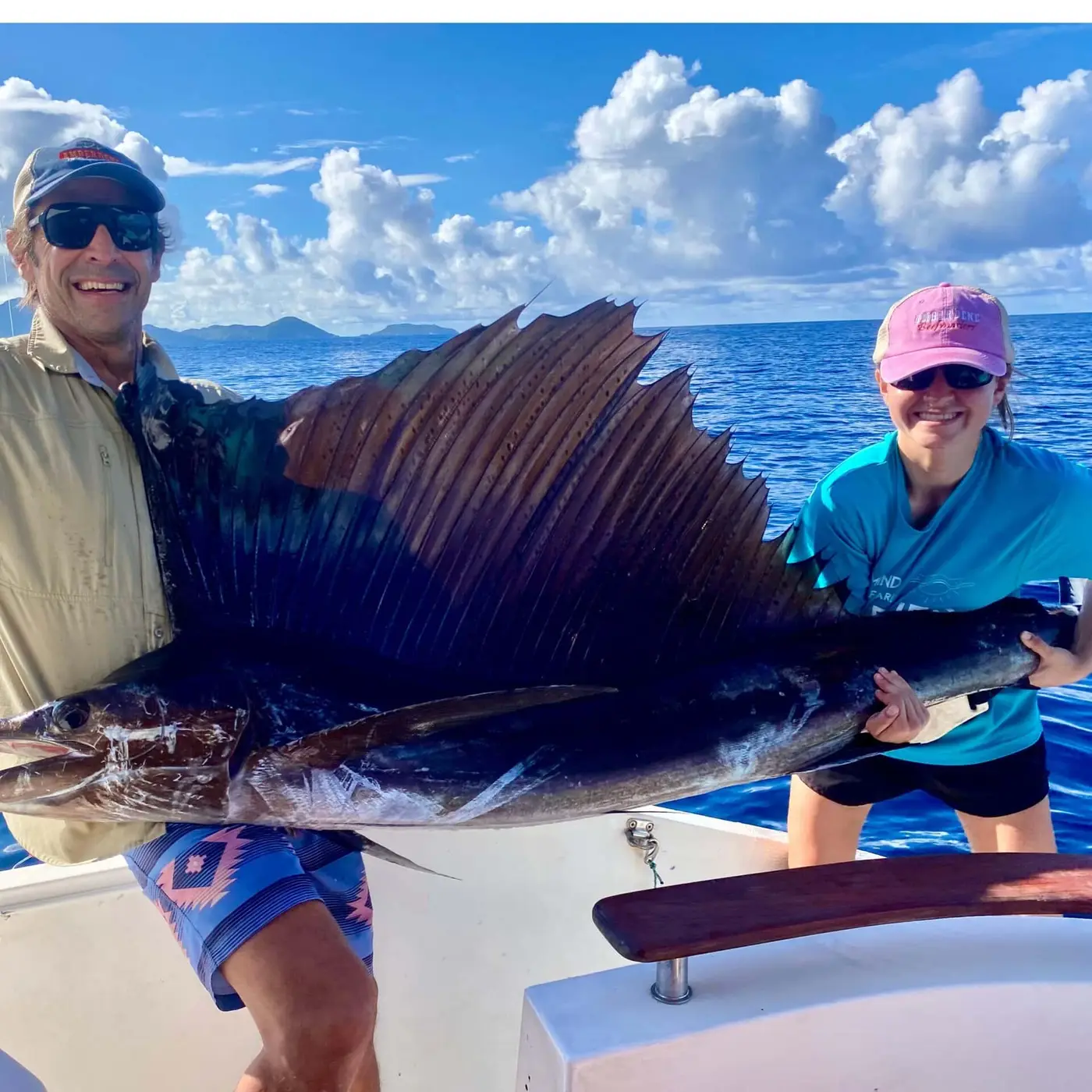
Anglers with a sailfish alongside the boat before release
Peak October – December

Sailfish

Not a rare bonus here. Sailfish are a regular part of the bluewater ecosystem, and it is common to spot free-jumpers while popping for GTs or jigging for dogtooth.

Common size25–45 kg
Outer Islands average40–55 kg
Exceptional fish60 kg and above
TechniquesTrolling teasers and pitch baits, skipping ballyhoo, casting stickbaits to free-jumpers
PeakOctober to December, with a strong second window February to April

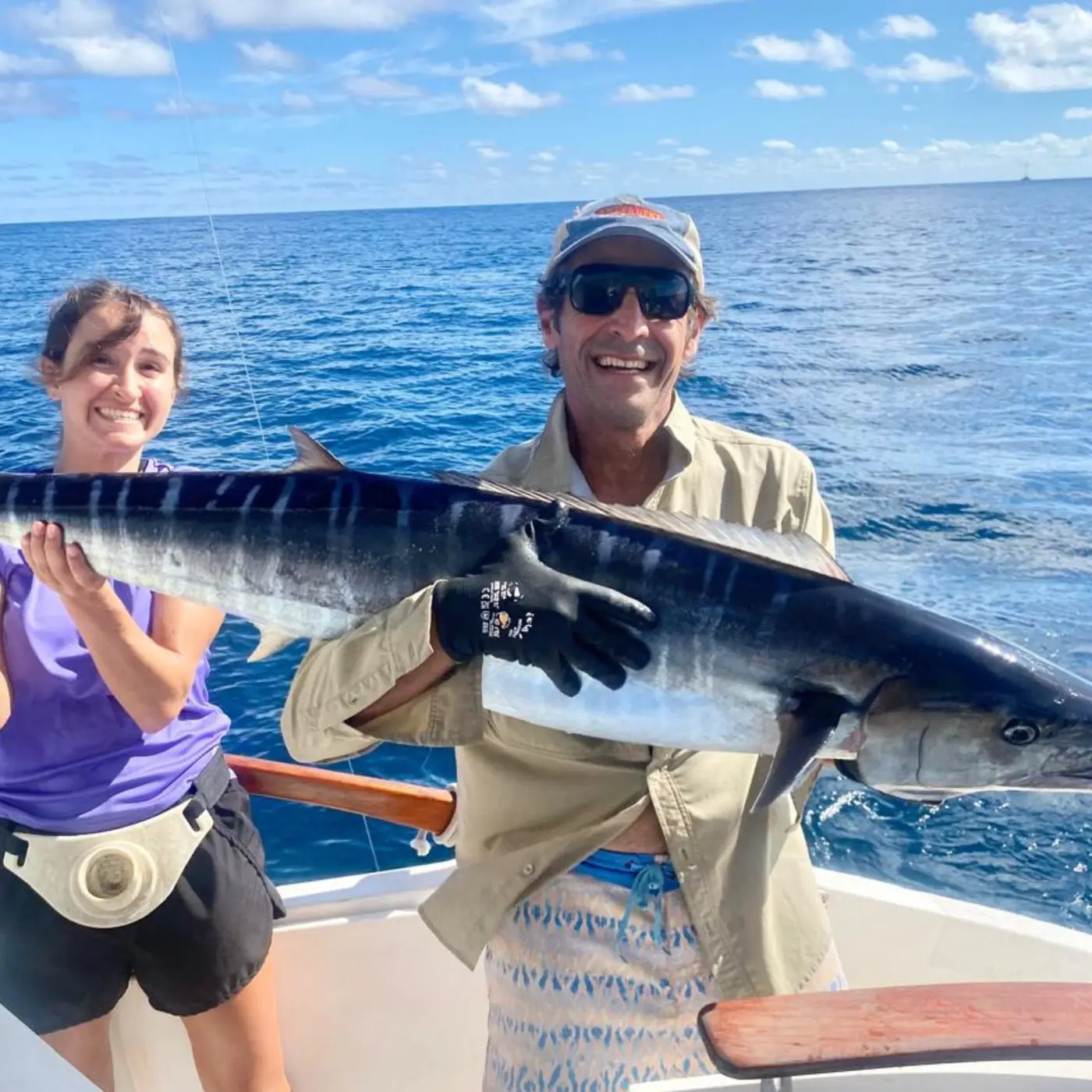
Anglers holding a wahoo caught trolling in the Seychelles
Peaks Oct–Dec & Mar–May

Wahoo

When a wahoo hits you don't react, you just hold on. Blistering runs, razor teeth and neon stripes. Remote reefs with sharp drop-offs make perfect hunting lanes, and multiple hookups in a single pass are common.

Common size10–25 kg
Regular Outer Islands fish25–35 kg
Big units40–50 kg
TechniquesHigh-speed trolling, diving plugs, fast-retrieve stickbaits, metals into surface breaks
PeakYear-round, peaking October–December and March–May

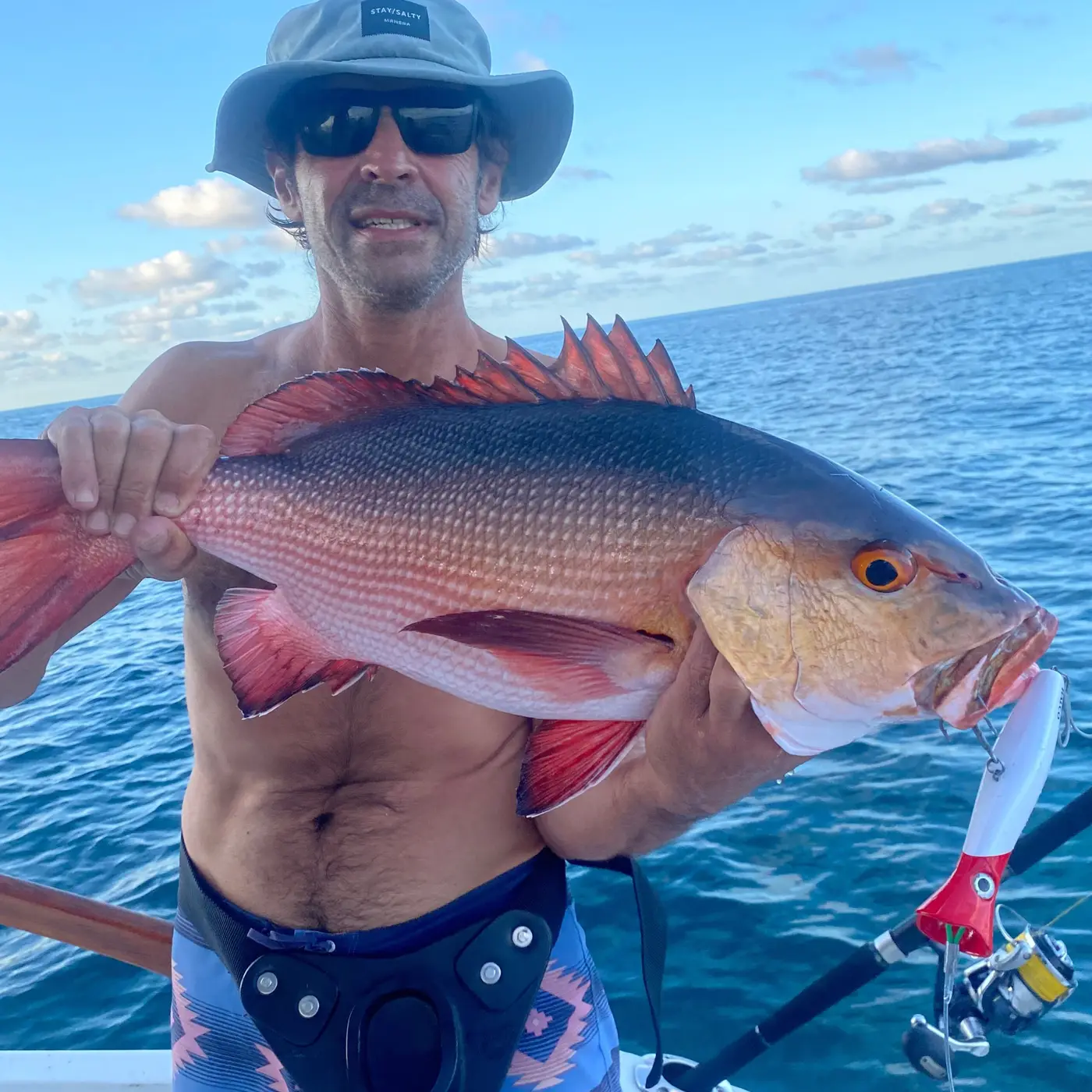
Angler holding a large red snapper caught reef fishing in the Seychelles
Year-round

Reef & bottom species

Deep, structured reef systems that drop rapidly into the blue. Every drop can produce something different — this is the backbone of the Outer Islands fishery.

Jobfish5–15 kg
Groupers10–40 kg across multiple species
Ruby snapper2–6 kg, from 200–300+ m
Amberjack20+ kg from deep reef edges
TechniquesBottom jigging, slow pitch, deep dropping, livebaiting for large grouper

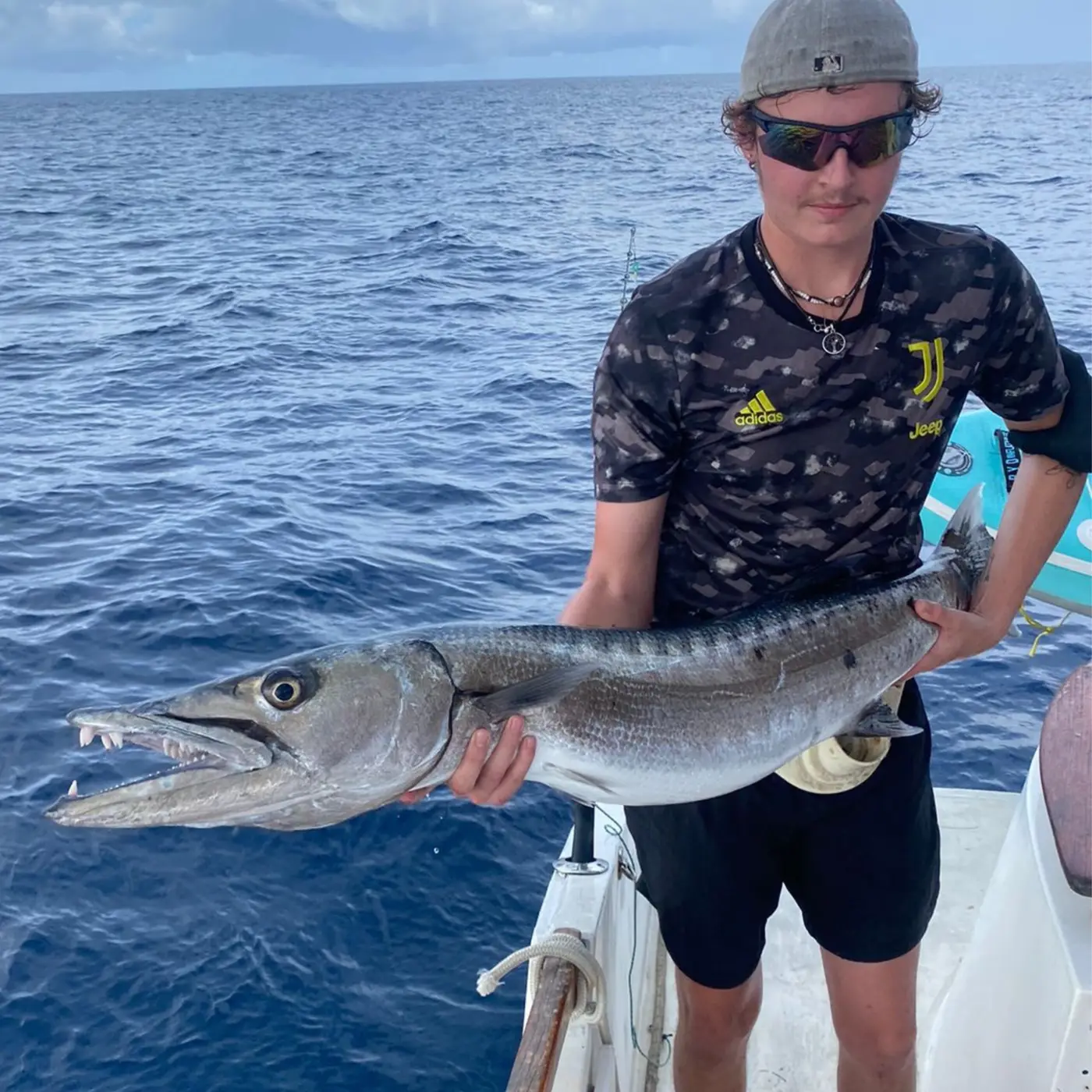
Angler holding a barracuda caught in the Seychelles Outer Islands
Year-round

Barracuda

Long, silver and unpredictable — the ambush kings of the reef edge. One flash of chrome, one violent hit, and the reel is already screaming. They turn transit time into productive fishing.

Common size5–15 kg
Outer Islands average15–25 kg
Large fish30 kg and above
TechniquesFast-retrieved stickbaits and poppers, trolling diving plugs, jigging near structure

Responsible handling

Healthy fish stocks are the reason the Outer Islands remain exceptional. We use tackle heavy enough to shorten fights, minimise air exposure for photographs, support fish properly during handling, release large breeders wherever possible, and respect local regulations and protected areas.

Next step

Target the right species at the right time.

Tell us what you want to catch and we will tell you honestly when to come.

WhatsApp us